New Year’s Story Font for Web Designers
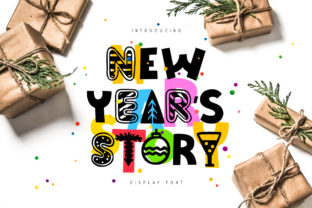
The New Year’s Story font is a versatile display typeface designed to bring festive charm and visual interest to digital projects. With its playful uppercase characters and whimsical lowercase symbols, it offers a unique blend of tradition and modernity that resonates well with holiday-themed content. As a web designer, I’ve found this font to be an excellent choice for creating engaging and brand-aligned digital experiences.
Aesthetic Personality and Visual Appeal
New Year’s Story has a distinct personality that leans toward the decorative yet approachable. Its uppercase letters are bold and expressive, while the lowercase elements add a touch of charm and character. This combination makes it ideal for capturing the spirit of celebration without being too overwhelming. The font’s design is clean enough for professional use but still carries a sense of warmth and festivity that aligns well with seasonal branding.
Use Cases in Web Design
Incorporating New Year’s Story into your web design can enhance both aesthetics and functionality. It works exceptionally well in headers, hero sections, and call-to-action areas where you want to draw attention and create a memorable first impression. For online stores or boutique websites, using this font in banners and promotional graphics can help establish a cohesive and festive brand identity.
Additionally, New Year’s Story can serve as a decorative accent in blog headers, social media graphics, and course landing pages. When used sparingly, it adds visual rhythm and personality without overpowering the overall layout. Its versatility allows it to fit seamlessly into a wide range of digital assets, from creative portfolios to branded web content.
Readability and Layout Considerations
While New Year’s Story is visually appealing, it’s important to consider how it performs in different contexts. As a display font, it’s best suited for short phrases, titles, and decorative text rather than long body copy. On mobile screens, ensure that the font size is large enough to maintain readability, especially when paired with dark backgrounds or image overlays.
For optimal user experience, pair New Year’s Story with a clean sans-serif font for body text. This creates a balanced contrast that improves scanning behavior and maintains a professional tone. In responsive layouts, test how the font renders on various screen sizes to ensure consistent performance across devices.
Font Pairing and Brand Identity
When designing for brand identity, New Year’s Story can be paired with other fonts to create a harmonious typographic system. A classic serif font can provide a more editorial feel, while a modern sans-serif font adds a contemporary edge. This pairing is particularly effective for websites that blend creativity with professionalism, such as coaching platforms or creative agencies.
For digital templates and brand kits, consider including New Year’s Story alongside complementary styles. This not only enhances the visual appeal of your designs but also supports a consistent brand voice across all touchpoints. Whether you’re building a portfolio site or a product landing page, the right font pairing can significantly impact user engagement and brand trust.
Commercial Use and Licensing
As a commercial font, New Year’s Story is suitable for use in websites, client projects, and online stores. Always verify the licensing terms to ensure compliance with usage rights. Most premium fonts come with clear guidelines regarding commercial use, so make sure to review these before deploying the font in any production environment.
When working on digital templates or brand assets, check if the font includes webfont support, alternate weights, and multilingual options. These features can expand the font’s usability and adaptability to different audiences and languages.
Conclusion
New Year’s Story is more than just a festive font—it’s a powerful tool for enhancing digital design. From website headers to social media graphics, it offers a unique blend of style and functionality that can elevate your brand’s online presence. By understanding its strengths and limitations, you can effectively integrate it into your design workflow and create compelling, user-friendly digital experiences.